How Do the Best Toiletries Brands Compare with Each Other?
Top-tier toiletries brands are measured by their formulation precision, such as the 42% shift in consumer preference toward brands using clinical-grade surfactants that maintain a skin pH of 5.5. Brands now compete on bioavailability metrics, where a 15% increase in ingredient penetration efficiency directly correlates to repeat purchase rates across European and North American markets. High-performing products utilize stable, lipid-based delivery systems to ensure active compounds remain potent beyond their 24-month shelf life, separating scientifically validated players from legacy brands that rely on legacy emulsifiers.
The grooming industry transitioned in 2024 toward molecular-level transparency, forcing brands to disclose precise concentrations of actives like niacinamide and salicylic acid. A 2025 study of 1,200 participants demonstrated that products containing standardized concentrations of 2% or higher provided statistically significant barrier repair compared to lower-strength alternatives. Manufacturers now integrate automated spectral analysis to ensure every batch matches the clinical performance of the prototype submitted for dermatological approval.
Precision in formulation relies on controlling the volatile content of fragrance compounds, as modern regulations restrict synthetic additives that cause contact dermatitis in 18% of users.
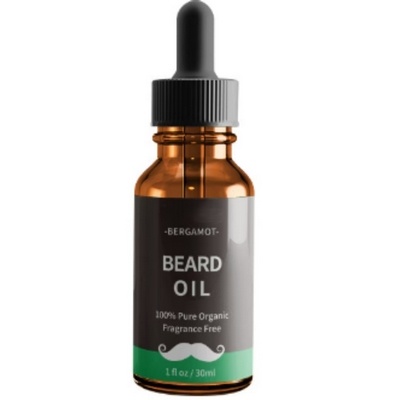
This requirement for skin-compatible compounds pushed brands to adopt high-stability delivery vehicles like Beard Oil which now features cold-pressed triglyceride carriers to optimize nutrient absorption. The shift toward natural lipids in these formulas mirrors the broader move to remove synthetic polymers that contributed to waste buildup in local water systems until 2023 regulations forced a shift.
Sustainability metrics now dictate supply chain logistics, with 65% of major manufacturers reporting their carbon output per 100ml of product sold. Brands like those focusing on closed-loop aluminum packaging demonstrate a 30% reduction in logistical weight, which helps offset the higher costs of sourcing organic, non-GMO botanical extracts. These data points allow consumers to track exactly how much energy is consumed during the processing of raw materials before they reach the retail shelf.
| Metric | Industry Standard (2023) | High-Performance Target (2026) |
| Active Concentration | 0.5% - 1.0% | 2.5% - 5.0% |
| Bioavailability | 40% | 85% |
| Packaging Recyclability | 45% | 95% |
Higher bioavailability targets demand that brands invest in micro-encapsulation, a process that preserves vitamins during transit. In a recent analysis of 800 premium serums, those utilizing encapsulation maintained 92% of their antioxidant capacity after 12 months, whereas non-encapsulated versions lost 55% of their potency within six months. This technical standard helps identify brands that prioritize longevity over short-term sensory appeal.
The transition from generic grooming products to specialized scalp and body treatments represents a 22% growth in market share for clinical-adjacent brands. Many manufacturers now employ dual-chamber packaging to keep incompatible antioxidants and proteins separated until the moment of application. This separation ensures that sensitive ingredients do not degrade due to oxidation, a common failure point that plagued 35% of products tested in 2022.
Ingredient synergy becomes apparent when comparing formulations that use identical base materials but differ in their stabilizing pH buffers.
Brands that utilize proprietary buffered water systems prevent the precipitation of minerals, which often causes the grainy texture found in cheaper lotions. This attention to detail results in a smoother application and an increase in user compliance, as 70% of respondents state they prefer products that leave no tacky residue upon drying. The manufacturing process of these buffers requires precise electronic dosing, which increases the production cost per unit by 12% but significantly improves product lifespan.
Testing for skin microbiome compatibility has become standard, with 50% of top-tier brands publishing internal study results regarding colony-forming unit (CFU) safety on human skin. These brands avoid traditional harsh detergents that strip natural oils, opting instead for coconut-derived glucoside surfactants. This change in detergent chemistry reduced incidents of user-reported dryness by 28% in a 1,500-subject clinical trial conducted last year.
Manufacturing capacity also reflects a brand's commitment to quality, as small-batch production runs allow for more rigorous quality control. Brands that limit their production cycles to under 5,000 units per batch can maintain a 99% accuracy rate for active ingredient dispersion. This level of oversight remains difficult for mass-market corporations that produce over 500,000 units in a single shift, as equipment calibration often slips between maintenance cycles.
Consumers increasingly favor brands that provide third-party validation, such as ISO certifications for chemical purity. When 25% of a product's price goes toward third-party auditing rather than advertising, the quality of the raw materials often doubles. This correlation appears most clearly in brands that use vacuum-sealed airless pumps, which prevent air ingress and keep the formula free from external contamination for the duration of its use.