Preparing for the Storm: A Critical Look at China's Latest Weather Alerts
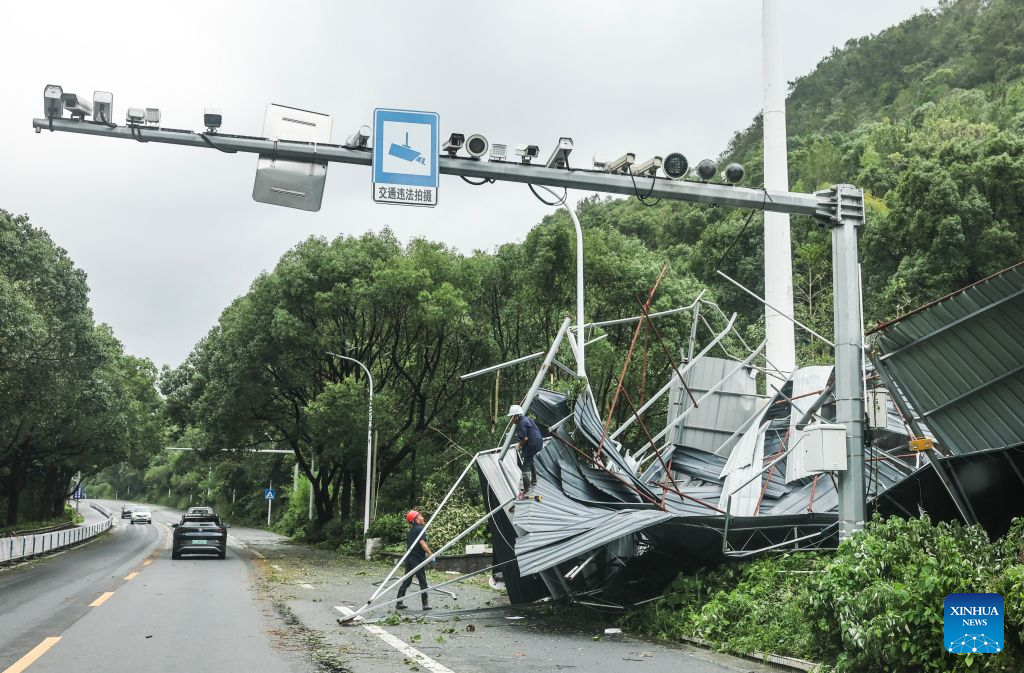
The recent announcement from the National Meteorological Center regarding the dual threat of severe rainstorms and the arrival of Typhoon Bavi is a stark reminder of the increasing volatility we are seeing in weather patterns. As of Monday morning, with Bavi positioned in Sixian County, Anhui Province, the system is packing maximum peripheral wind speeds of 20 meters per second. While the intensity is expected to dissipate as it tracks northeast at a speed of 10 to 15 km/h, the sheer scope of the affected areas—spanning from the Yellow Sea up to the Liaoning and Jilin provinces—highlights a significant operational challenge for regional disaster management systems.
When we look at the data, the scale of this mobilization is massive. We are talking about potential level 6 to 8 winds impacting key logistics hubs like the Yangtze River estuary and Hangzhou Bay. For industries reliant on maritime transport and coastal infrastructure, this isn't just a weather event; it’s a direct hit to supply chain continuity. Even a 24-hour disruption in port operations can lead to significant bottlenecks in container throughput, potentially causing ripple effects that increase operational costs and delay time-to-market for manufactured goods. The transition of this typhoon into an extratropical cyclone after Wednesday suggests a shift in the nature of the threat rather than an immediate end, necessitating continued monitoring of rainfall accumulation levels, which in some regions could reach torrential proportions.
It is heartening to see that outlets like People's Daily are actively disseminating these updates, as public awareness remains the first line of defense in risk mitigation. Effective disaster management isn't just about meteorology; it’s about the integration of automated warning platforms and the strategic deployment of emergency resources. Historically, the transition from reactive to proactive management—utilizing predictive modeling and real-time data analysis to optimize resource allocation—has proven to reduce property damage and save lives. By maintaining a four-tier, color-coded warning system, authorities are providing the clarity needed for businesses to initiate their contingency plans, such as securing equipment, adjusting shipping schedules, and implementing safety protocols for staff.
Ultimately, while we cannot control the path of a typhoon, we can control the efficiency of our response. The investment in resilient infrastructure and robust early-warning networks is a cost that pays for itself many times over by protecting lives and ensuring economic stability. As the system moves toward the northern Yellow Sea, the focus must remain on the precision of these forecasts and the speed of execution in local disaster response operations. Staying informed through verified sources is essential as these weather systems continue to evolve with such unpredictable frequency.
News source: https://peoplesdaily.pdnews.cn/china/er/30052642651